



A Winter Reading Guide
With all the wholesome fun and excitement of the festive season, I always forget that winter doesn't end when January 1st rolls around. Far from it apparently. You're telling me it actually gets colder? Sorry I'm not interested, thanks.
I found myself today already wishing for summer, as I'm sure lots of us are (there's only so much a vitamin D supplement can do for a person's mental state). But I don't want to start the year wishing for a season that's months away. To combat the winter blues, I'm trying to remind myself there's plenty of pros to winter--a big one being there's more time with the long evenings to curl up with a good book...
So, if you're also someone who doesn't thrive in the winter, here are some books to help you slow down and appreciate the season for what it is. Ranging from the heartfelt and poignant, to the atmospheric and mysterious, to seasonal guides that remind us how to connect with nature, there's bound to be something on this list for you.
Slow Seasons by Rosie Steer
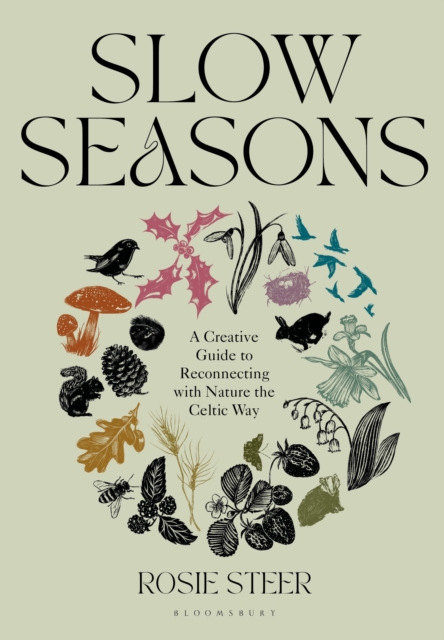
Rosie Steer found solace in the traditions she had been brought up with, influenced by her Scottish roots, that celebrated nature and observed the small steady shifts in the seasons. The Celtic Wheel of the year is an ancient seasonal cycle that aligns with solar events - the solstices, equinoxes and their midpoints.
Winter by Val McDermid
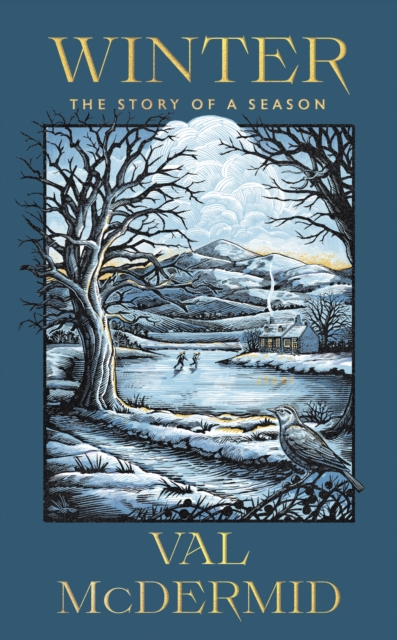
This is a charming and cosy celebration of the winter season from one of Scotland best-loved writers. Val McDermid has always had a soft spot for winter: the bitter clarity of a crisp cold day, the vivid skies over the Firth of Forth, the crunch of frost on fallen leaves and the chance to be enveloped in big jumpers and thick socks.
She shows us that winter is a time of rest, retreat and creativity, for scribbling in notebooks and settling in beside the fire.
The Snag by Tessa McWatt
In The Snag, the acclaimed author of Shame On Me, Tessa McWatt, takes on personal and collective grief, and climate change, in her much-anticipated second nonfiction book. As her mother’s dementia advances and it becomes apparent that she can no longer live independently, Tessa considers griefs personal and political, and finds solace in trees.
She asks: How do we grieve? And: What can we learn from nature and those whose communities are rooted in nature about how to grieve — and how to live? From the newest seedling, to the oldest snag in the forest, there is meaning to be found in every stage of a tree’s life, all of which contribute to a thriving forest community; it is in this metaphor that Tessa begins to find answers to her questions about how to live (for each other), how to grieve (radically), and how to die (with love and connection).
How to Winter by Kari Leibowitz
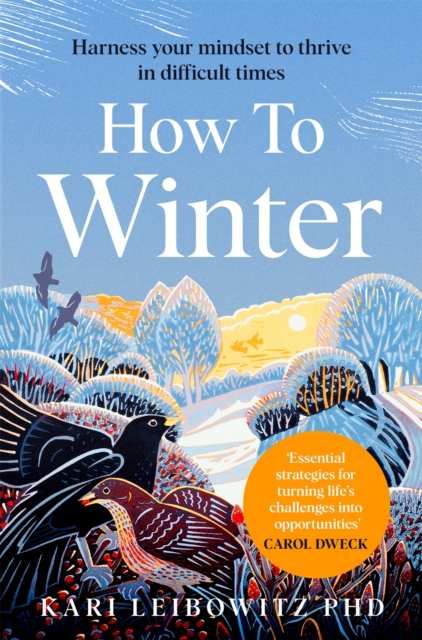
Leibowitz is the world's foremost winter psychology mindset expert, and in How to Winter she sets out evidence-based strategies to help you learn not only to accept the chillier months, but even to embrace them. Drawing on her extensive PhD research, and insight from cultures around the world, Leibowitz offers practical, easy-to-follow advice for transforming your experience of wintertime. What's more, she sets out how techniques used for shifting our mindsets around winter can also be used to cope with times of emotional difficulty.
What to Cook & When to Cook It by Georgie Mullen
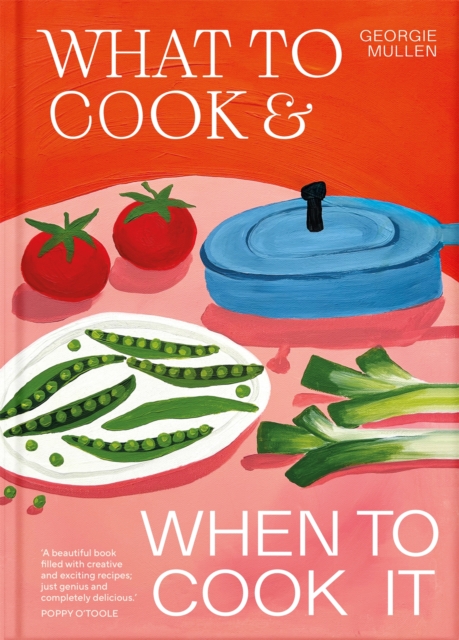
Cooking and eating seasonal produce is better for flavour, and good for our health and the planet. But sometimes it can feel daunting or more expensive. Food writer Georgie Mullen makes seasonal cooking enjoyable and easy using our best-loved vegetables – potatoes, courgettes, tomatoes and other supermarket ingredients.
This stunning cookbook shows how to bring out the best flavour in your favourite fruit and veg, sharing 120 mouthwatering vegetarian meals.
The Bluest Eye by Toni Morrison
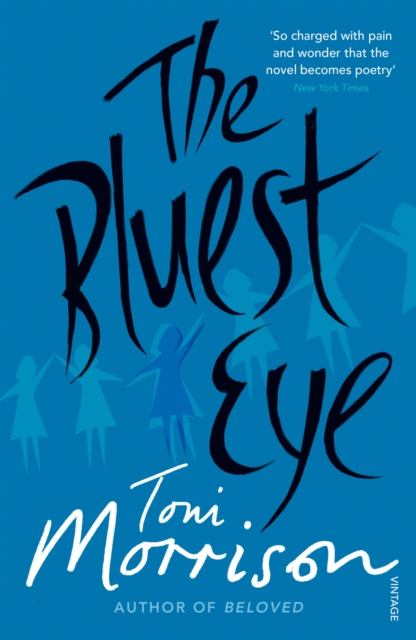
Structured around the symbolic nature of the four seasons, this is the searing first novel from the celebrated author of Beloved, which immerses us in the tragic, torn lives of a poor black family in post-Depression 1940s Ohio.
A powerful examination of our obsession with beauty and conformity, Toni Morrison's virtuosic story asks powerful questions about race, class, and gender with the subtlety and grace that have always characterised her writing.
Winter in Sokcho by Elisa Shua Dusapin

It’s winter in Sokcho, a tourist town on the border between South and North Korea. The cold slows everything down. Bodies are red and raw, the fish turn venomous, beyond the beach guns point out from the North’s watchtowers.
A young French Korean woman works as a receptionist in a tired guesthouse. One evening, an unexpected guest arrives: a French cartoonist determined to find inspiration in this desolate landscape. The two form an uneasy relationship. When she agrees to accompany him on trips to discover an ‘authentic’ Korea, they visit snowy mountaintops and dramatic waterfalls, and cross into North Korea. But he takes no interest in the Sokcho she knows – the gaudy neon lights, the scars of war, the fish market where her mother works. As she’s pulled into his vision and taken in by his drawings, she strikes upon a way to finally be seen.
The Witches of Vardo by Anya Bergman
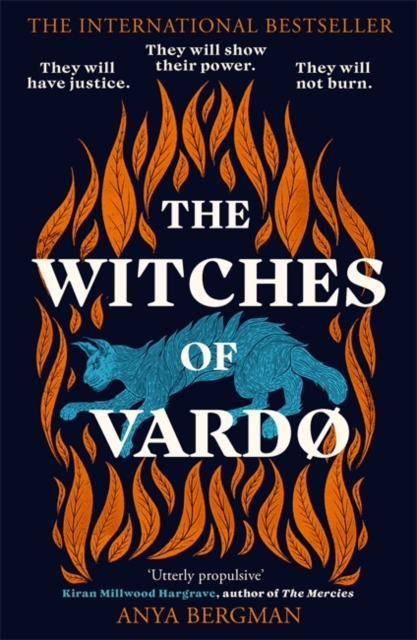
Norway, 1662. A dangerous time to be a woman, when even dancing can lead to accusations of witchcraft. After recently widowed Zigri's affair with the local merchant is discovered, she is sent to the fortress at Vardo to be tried as a witch.
Zigri's daughter Ingeborg sets off into the wilderness to try to bring her mother back home. Accompanying her on this quest is Maren - herself the daughter of a witch - whose wild nature and unconquerable spirit gives Ingeborg the courage to venture into the unknown, and to risk all she has to save her family. Also captive in the fortress is Anna Rhodius, once the King of Denmark's mistress, who has been sent in disgrace to the island of Vardo. What will she do - and who will she betray - to return to her privileged life at court?
The Party by Tessa Hadley
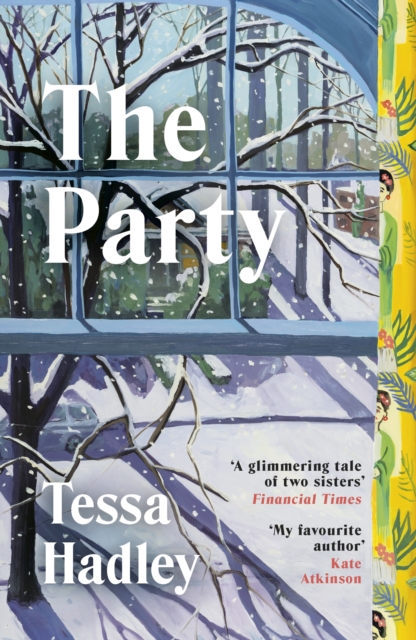
An irresistible novella about two sisters and a night that changes everything, from the master chronicler of our heart’s hidden desires.
On a winter Saturday night in post-war Bristol, sisters Moira and Evelyn, on the cusp of adulthood, go to an art students’ party in a dockside pub; there they meet two men, Paul and Sinden, whose air of worldliness and sophistication both intrigues and repels them. Sinden calls a few days later to invite them over to the grand suburban mansion Paul shares with his brother and sister, and Moira accepts despite Evelyn’s misgivings.